
Leak tracing and targeted repairs
We track leaks to their source, then repair the component that failed (flashing, boot, valley, fastener, or damaged field shingles) instead of guessing with broad patches.
Serving Safety Harbor, Florida & surrounding areas
Mon–Sat · 7am–7pm
Harbor roofing in Safety Harbor, Florida
Protect your home with practical roof decisions backed by clear assessments, tidy work, and written scopes you can compare.
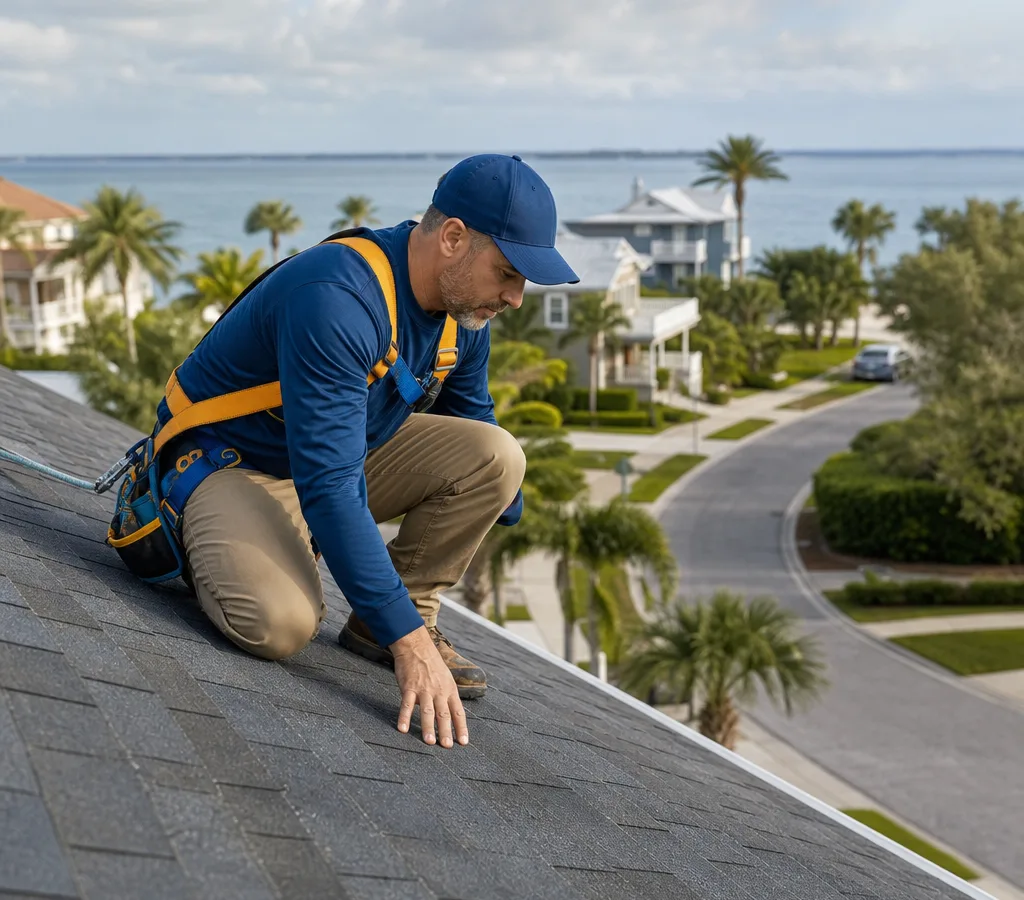
Roof protection for Safety Harbor’s UV exposure, wind-driven rain, and sudden summer downpours starts with finding the detail that actually failed.
Practical coastal roof protection
If you searched for harbor roofing in Safety Harbor, you are probably trying to solve one of three problems: a leak that is getting worse, storm wear you cannot fully see from the ground, or a roof that is simply reaching the end of its useful life. Roofing Safety Harbor handles the full scope of harbor roofing work, starting with a plain-language assessment and finishing with a roof that sheds water, vents correctly, and looks clean from the street.
Coastal Pinellas County brings a mix of UV exposure, wind-driven rain, and sudden summer downpours that test the weakest parts of a roof first: flashing at walls and chimneys, pipe boots, valleys, and the edges where water can back up. Many roof failures start as small details, not as a whole-field shingle problem. That is why our approach focuses on locating the actual entry path of water, documenting what we see, and recommending the least disruptive fix that restores roof performance.
When replacement is the right answer, we help you choose a system that matches your home and budget without guessing. That means talking through material options, underlayment choices, ventilation needs, and the real condition of the decking, then providing a written scope so you know what is included before work starts. For an overview of our team and service area, you can also see Safe Harbor Roofing.
Repairs, replacement, and roof performance
We track leaks to their source, then repair the component that failed (flashing, boot, valley, fastener, or damaged field shingles) instead of guessing with broad patches.
After a heavy weather day, we look for lifted tabs, creased shingles, displaced ridge caps, and punctures from debris, then document findings so you can make a confident decision.
Tear-off, underlayment, flashing, drip edge, ventilation, and clean-up are planned as a system so the roof performs as a whole, not as a set of separate parts.
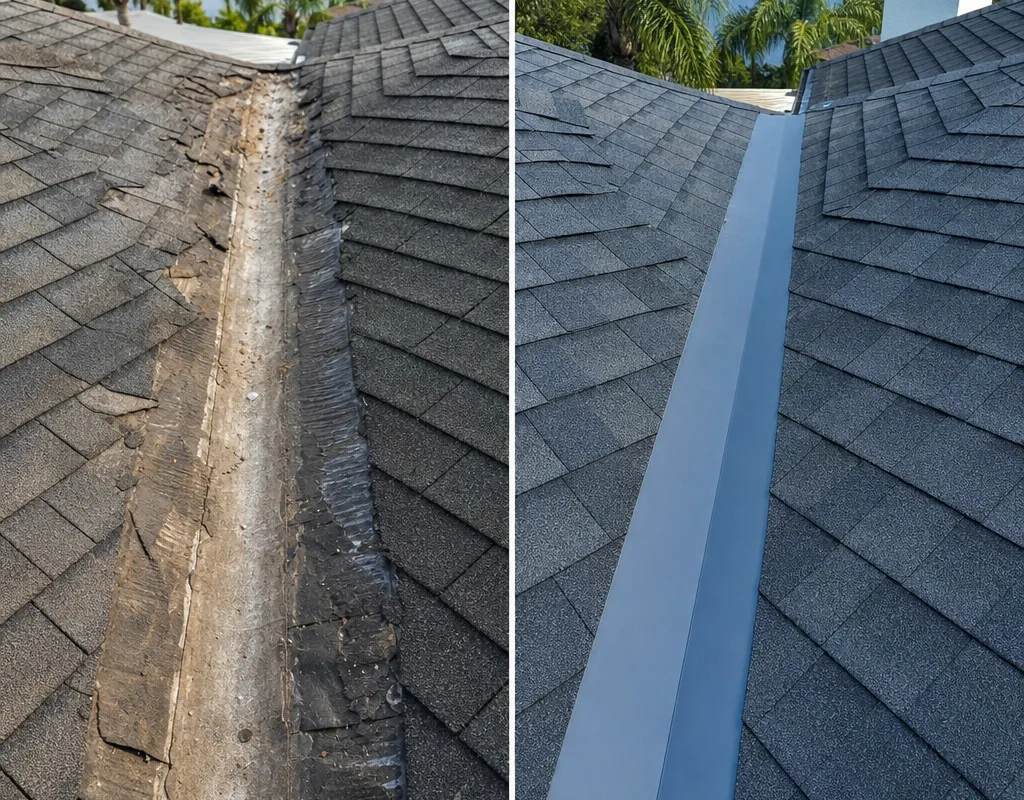
Where roofs change pitch or tie into walls, we focus on proper membrane transitions and flashing details because these are common water-entry points in Florida rains.
We check intake and exhaust balance, blocked soffits, and common vent issues that can shorten roof life and create condensation problems.
Roof work is disruptive by nature, but it should not leave a mess behind. We stage materials responsibly and finish with a thorough ground sweep.
Clear findings before recommendations
A useful roof assessment gives you more than a yes or no. It should explain what failed, why it failed, and what the repair actually changes.
On most homes in Safety Harbor, we start with an exterior walk and detail checks at penetrations and edges: pipe boots, vents, step flashing where a roof meets a wall, valleys, ridge caps, and any spots where sealants were used as a previous fix. We also look for shingle granule loss, exposed fasteners, and soft decking indicators.
If the issue is active leaking, we pair exterior findings with interior clues, because water often travels along decking or rafters before it shows up on a ceiling. The goal is to identify the entry point, not just the stain.
You will get a straightforward summary of options. If a repair is viable, we spell out the exact area and method. If replacement is the better choice, we explain which parts of the system drive that recommendation (age, widespread wear, repeated leaks, or multiple failure points).
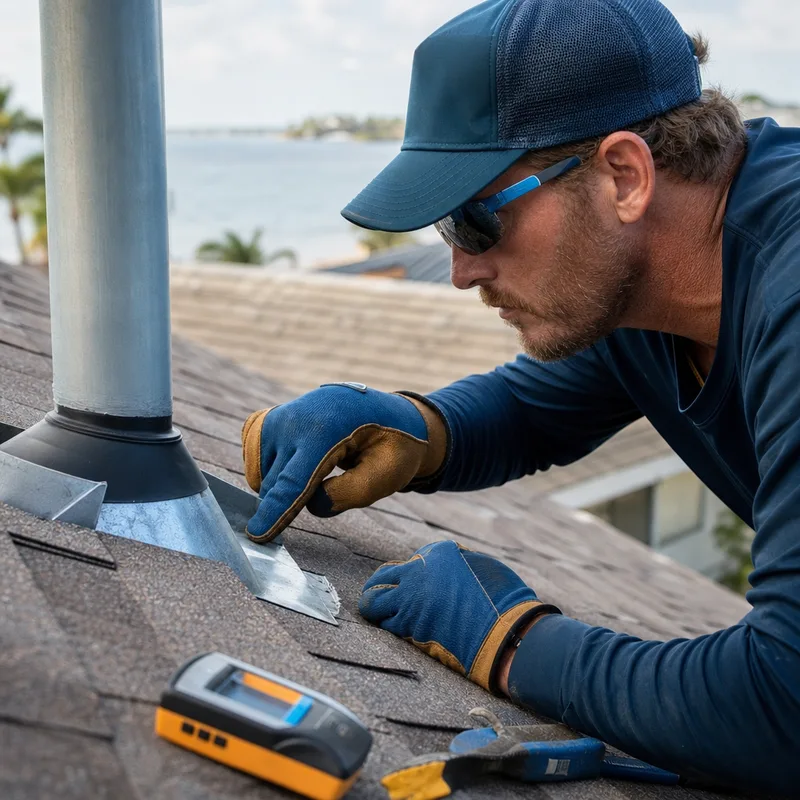
From assessment to final cleanup
Each stage keeps the scope clear, the property controlled, and critical roof details properly integrated.
We review the roof surface and key details (flashing, penetrations, valleys, transitions) and note any visible storm damage or age-related wear.
You receive a clear description of the recommended work, what is included, and what could change the scope (for example, decking replacement if hidden damage is found after tear-off).
We stage materials, protect landscaping where possible, and plan debris handling so the jobsite stays controlled.
We focus on watertight transitions: correctly layered underlayment, properly integrated flashing, sealed penetrations, and secure ridge and edge details.
We confirm the completed scope, review any photos or notes, and finish with a detailed cleanup including ground checks around driveways and walk paths.
Straightforward project ranges
Most harbor roofing projects in Safety Harbor typically range from about $350 to $1,500 for common repairs, while a full roof replacement often runs roughly $9,000 to $25,000+ depending on size, pitch, material, and tear-off needs. Higher-end materials, complex rooflines, and multiple penetrations usually raise labor time and flashing scope.
Your final price depends on roof square footage, the number of layers to remove, decking condition, access, and whether the issue is isolated (one leak area) or widespread wear. Exact costs are confirmed after an on-site assessment and a written scope of work.
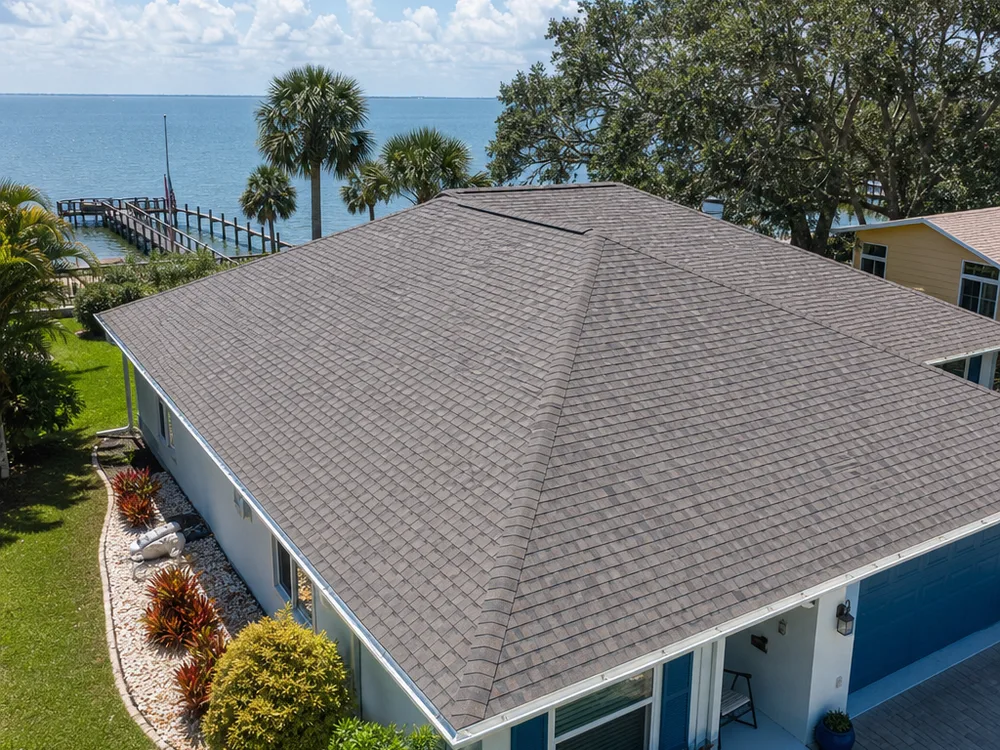
Watertight details and controlled installation
Common roofing questions
Harbor roofing covers both repairs and full replacement, and the right choice depends on whether the roof has a localized failure or system-wide wear. If leaks trace back to one detail (like a pipe boot or step flashing), a targeted repair often makes sense. If the roof has repeated leaks in different areas, widespread granule loss, or multiple compromised details, replacement usually provides better long-term protection.
We locate the source by matching interior clues with exterior roof geometry and then inspecting the most likely entry details first (valleys, flashing, penetrations, and edges). Water can travel along decking or framing before it shows up on drywall, especially during wind-driven rain. A good diagnosis identifies the entry path and the failing component, not just the damaged ceiling area.
Asphalt shingles are common for many residential roofs in Pinellas County, and you will also see flat or low-slope materials on certain additions and sections. The best option depends on roof pitch, aesthetics, budget, and how many transitions and penetrations your roof has. During an assessment, we can explain what your roof can support and what changes might be needed for a different system.
Many residential roof replacements can be completed in 1 to 3 days once materials are ready and weather cooperates, but timelines vary with roof size, complexity, and any decking repairs discovered after tear-off. In Florida, afternoon storms can affect scheduling, so we plan the work to keep the roof protected at the end of each day.
Yes, if decking is soft, delaminated, or otherwise compromised, it should be replaced so the new roof has a solid fastening base. Because that damage is sometimes hidden until shingles and underlayment are removed, decking work is typically handled as a scope adjustment documented during the job. We review it with you so the change is clear before moving forward.
We can document visible storm-related conditions we observe during the roof assessment, including photos of affected areas and notes on what was found. Insurance coverage decisions depend on the carrier and policy, but good documentation helps you understand what damage exists and what repairs or replacement options are realistic.
Start with an on-property assessment
Tell us what you are seeing and when it started. Roofing Safety Harbor will inspect the roof, explain the findings in plain language, and provide a written scope for harbor roofing repairs or replacement so you can move forward with confidence.